
From first enquiry to a clear project plan
Understand the information we need, the stages of delivery and how project timing is agreed.
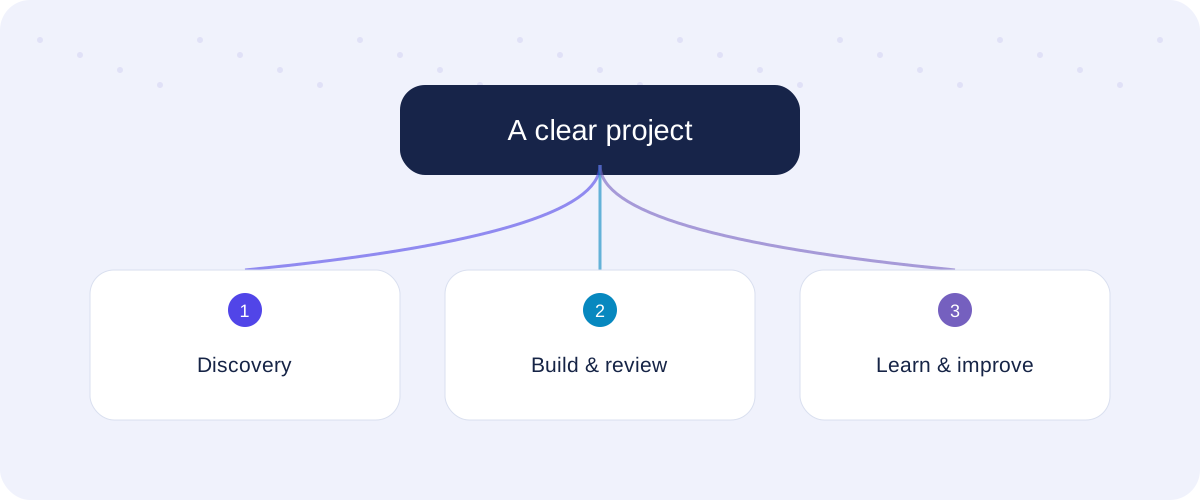
In this guide
What happens after I send an enquiry?
Your enquiry starts a conversation about the business problem and the help you are looking for. Useful details include your main service, intended customers, current website and the outcome you want to improve. A clear starting brief makes it easier to identify whether the requirement concerns search visibility, advertising, content, a website or several connected areas.
The enquiry form is not a contract or a promise that work has begun. Consultation times are preferences awaiting confirmation. SEOptimizer will need to understand the requirement and agree the scope before delivery commitments are made. Please avoid including passwords, payment details or confidential customer records in an initial message. Appropriate access can be discussed later if the project requires it.
What should I prepare for the discovery discussion?
Prepare a short explanation of what the company offers and which customers it can genuinely serve. Describe the enquiry or purchase that matters most, along with recurring questions your team receives. Bring examples of confusing pages, unsuitable leads or maintenance difficulties. A few specific observations are more useful than a long list of fashionable features.
Identify the people who can supply content, approve changes and answer technical questions. Note any existing platform, hosting or integration constraints. If analytics or campaign data is available, clarify who owns the accounts and how access can be delegated. The discovery discussion should reveal assumptions and dependencies early, before they become unexpected barriers during implementation.
How are priorities and the project scope agreed?
Priorities should follow the intended customer journey and the condition of the current website or campaign. A broken enquiry route may require attention before more traffic is encouraged. An unclear service page may need content work before advertising is expanded. A technical obstacle affecting discovery may change the order of an SEO plan.
The agreed scope should describe deliverables, responsibilities, exclusions and review points. It should distinguish between a recommendation, implementation work and ongoing observation. Clarify who supplies final business information, who approves copy and which tasks depend on third parties. A written scope makes later changes easier to evaluate and helps both sides recognise when additional work needs a separate decision.
What influences a realistic project timeline?
Timing depends on the type of work, the starting point and the readiness of required materials. A focused review may be planned in days, while a website or campaign setup may require several weeks. These are illustrative planning ranges, not SEOptimizer turnaround promises. The final schedule needs to be discussed against the actual scope and dependencies.
Content preparation, access approval, integration complexity and stakeholder feedback can all affect progress. A deadline is useful information, but it should be tested against the work required rather than assumed to be achievable. Identify the decisions that cannot wait, allow time for checks and record what happens if a dependency is delayed. A clear sequence is often more useful than an optimistic launch date.
How should content and design reviews work?
Content reviews should verify accuracy as well as tone. Check service availability, inclusions, contact details, limitations and claims before approving a page. The people who understand the business need an opportunity to correct misunderstandings. Design feedback should consider whether visitors can read, navigate and complete useful tasks, not only whether a colour or image is preferred.
Collect feedback through an agreed review process so contradictory comments can be resolved before implementation. Refer to specific pages and explain the reason for a requested change. When new requirements appear, consider their effect on the scope and sequence. This helps preserve a coherent website and avoids treating every review comment as an unrelated visual adjustment.
Explore website development planning · Understand content strategy
What is checked before a website or campaign launches?
A launch review should follow real visitor tasks. Open the important pages on different screen sizes, check navigation and internal links, verify images and review the enquiry journey. Confirm that contact information is correct and that forms provide truthful success or failure messages. Where URLs change, check the intended redirects rather than relying only on the new navigation.
For campaigns, review the relationship between targeting, messages and landing pages. Confirm which actions are measured and whether the available data supports the intended reporting. A technical check cannot prove future rankings or sales. Its purpose is to identify avoidable problems and make the launch decision with an appropriate understanding of what has and has not been verified.
How is progress reviewed after implementation?
Agree the measures before relying on a report. Search visibility, engaged visits, contact interactions and qualified enquiries answer different questions. Some changes need time to be discovered and evaluated, while other issues can be checked immediately. Recording the implementation date and the intended effect helps avoid drawing conclusions from unrelated movements.
Review the information alongside business feedback. If enquiries increase but are unsuitable, the next step may concern targeting or service explanations rather than more traffic. If tracking is incomplete, say so and correct it where appropriate. A review should lead to a prioritised decision, with uncertainty acknowledged, instead of presenting every upward number as a finished success story.
Who maintains the website and decides the next improvements?
Ownership and maintenance responsibilities should be clear at handover. Establish who updates business information, publishes content, handles access and responds to technical issues. Keep accounts under appropriate business control and avoid unnecessary sharing of credentials. Documentation should help the people maintaining the site understand its important pages, forms and external dependencies.
SEOptimizer brings the supplied 26+ years of hands-on experience to practical planning and ongoing improvement discussions. The next phase should follow evidence and business priorities, not an automatic assumption that more pages or more spending are always required. Use the agreed review points to decide whether to refine existing work, test another approach or prepare a separate scope.
How can I keep a project moving without rushing important checks?
Agree who can answer questions and how feedback will be collected before implementation begins. Keep business facts, content approvals and technical access requests organised so the people doing the work are not waiting for contradictory instructions. If the schedule changes, identify the dependency responsible and discuss the consequence openly. Moving an unchecked task to a later stage does not make it disappear.
Protect time for launch decisions and handover. The person approving a page should understand both its intended behaviour and the checks completed. If a feature cannot be fully verified before launch, record that limitation and agree the appropriate next action. A realistic plan makes uncertainty visible early enough to manage it, while keeping the scope and responsibilities understandable.